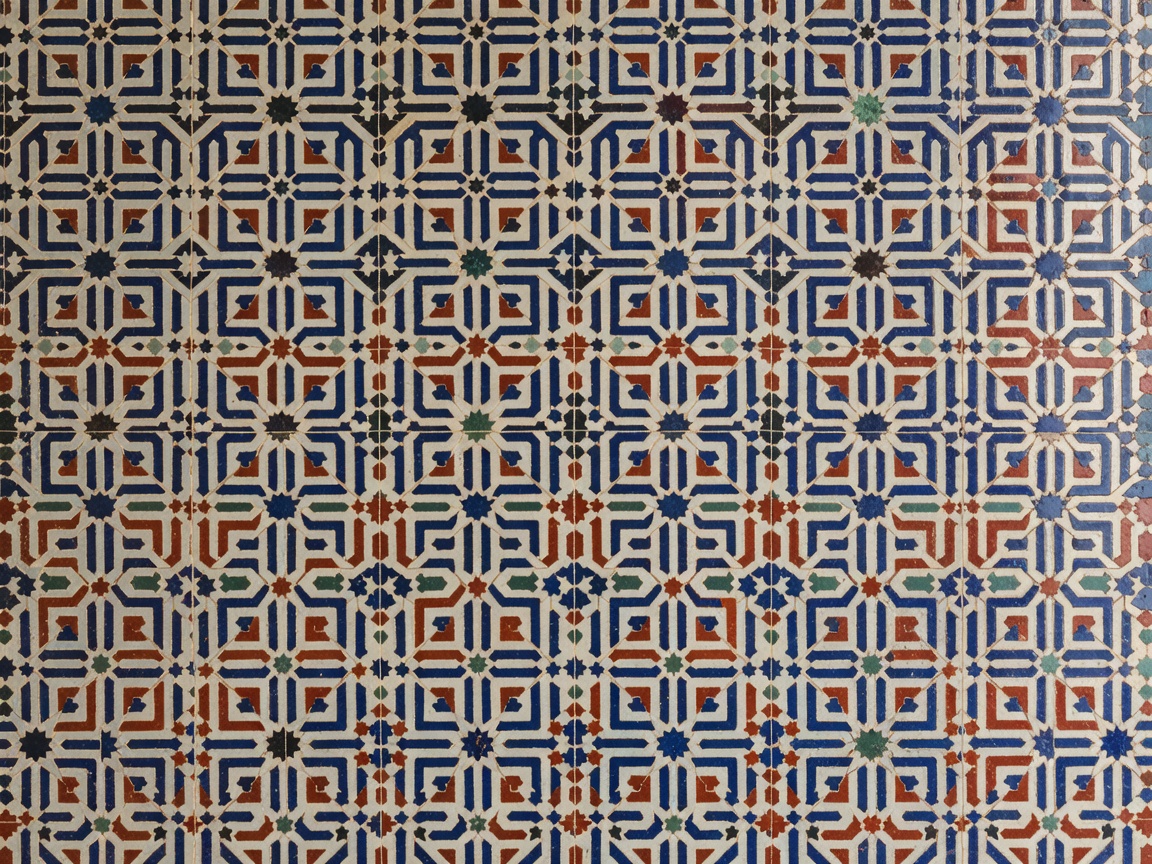
Manueline & Mudejar Tile Origins
Tracing King Manuel I’s importation of Sevillian relief techniques—alicatado, cuenca, and corda seca—and their installation within the historic National Palace of Sintra.
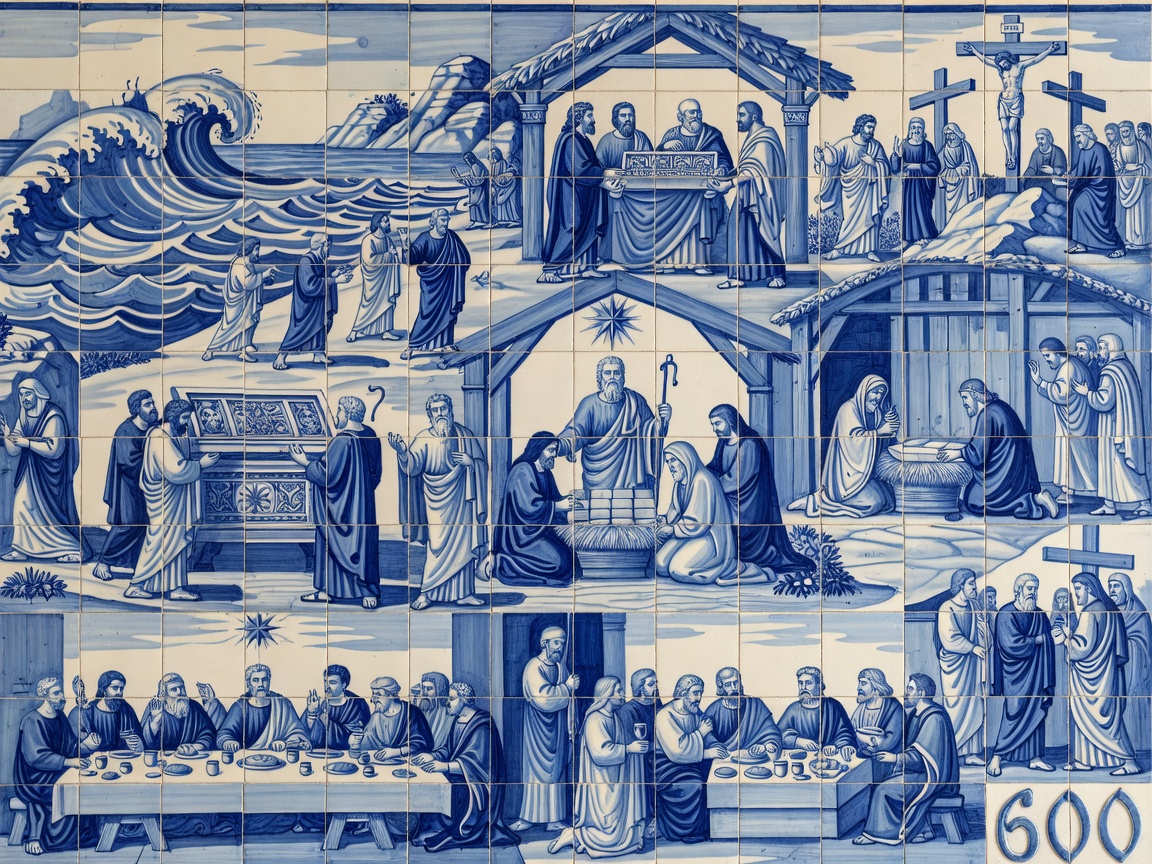
Portugal’s azulejos are not mere decorative wall coverings; they form an expressive architectural skin. Over five centuries, glazed ceramic tiles have articulated facades, illuminated shaded cloisters, withstood seismic reconstruction, and redefined modern municipal infrastructure.
From the relief-stamped tiles imported during the reign of King Manuel I to the monumental polychrome installations of post-war transit stations, explore our curated analyses of technique, preservation, and urban design.
Tracing King Manuel I’s importation of Sevillian relief techniques—alicatado, cuenca, and corda seca—and their installation within the historic National Palace of Sintra.
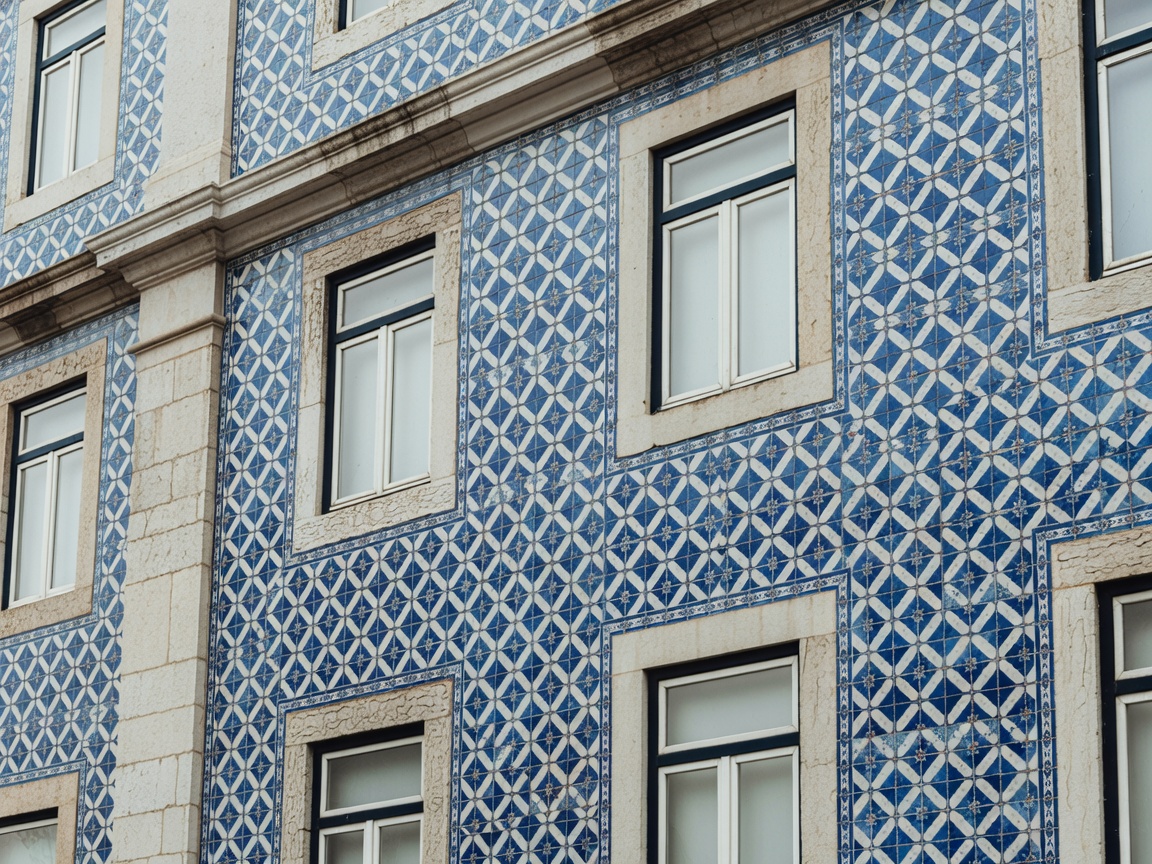
How Dutch Delftware influences and colonial trade routes inspired Portuguese tile masters like Gabriel del Barco and António de Oliveira Bernardes to create sweeping blue-and-white murals.
The radical transformation of tile manufacture following the Great Lisbon Earthquake of 1755, establishing standardized stenciled repeat patterns for urban domestic architecture.
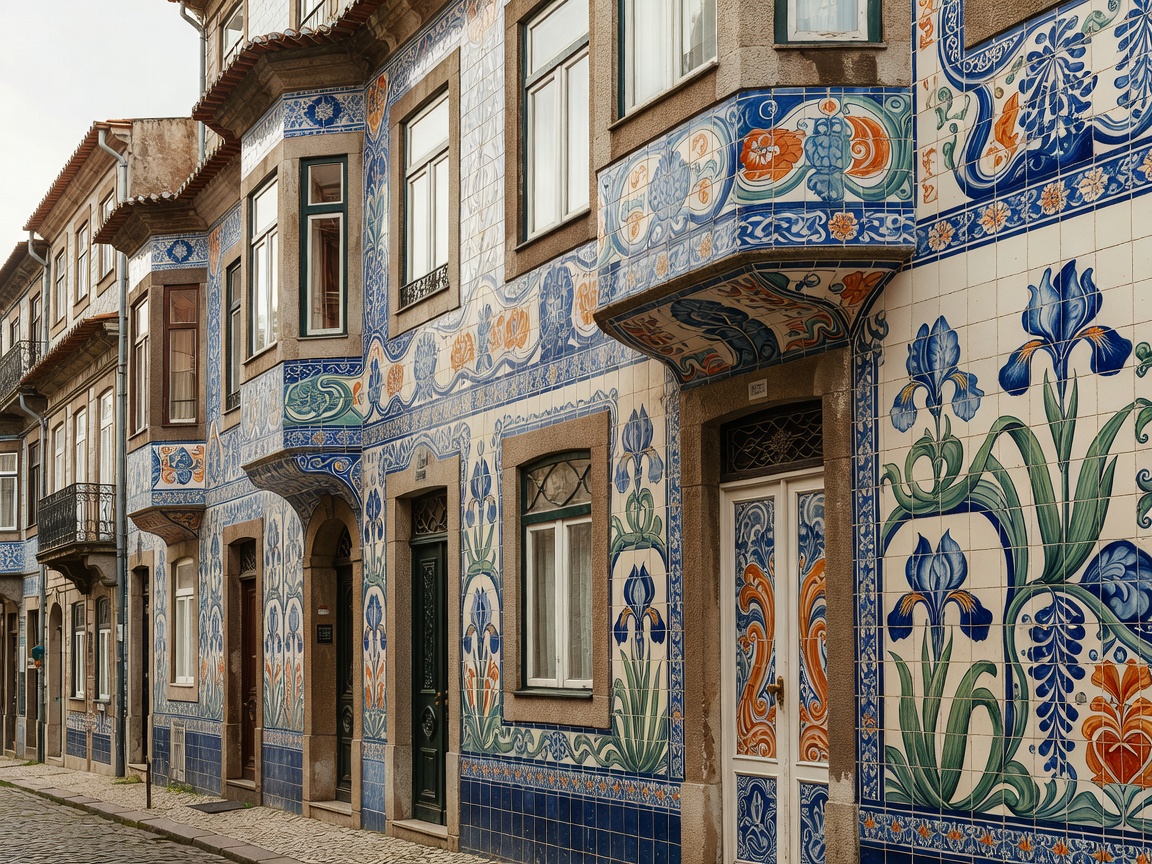
The migration of tiles from interior cloisters to exterior street elevations, driven by Brazilian returning emigrants (brasileiros de torna-viagem) and industrial stamping factories.
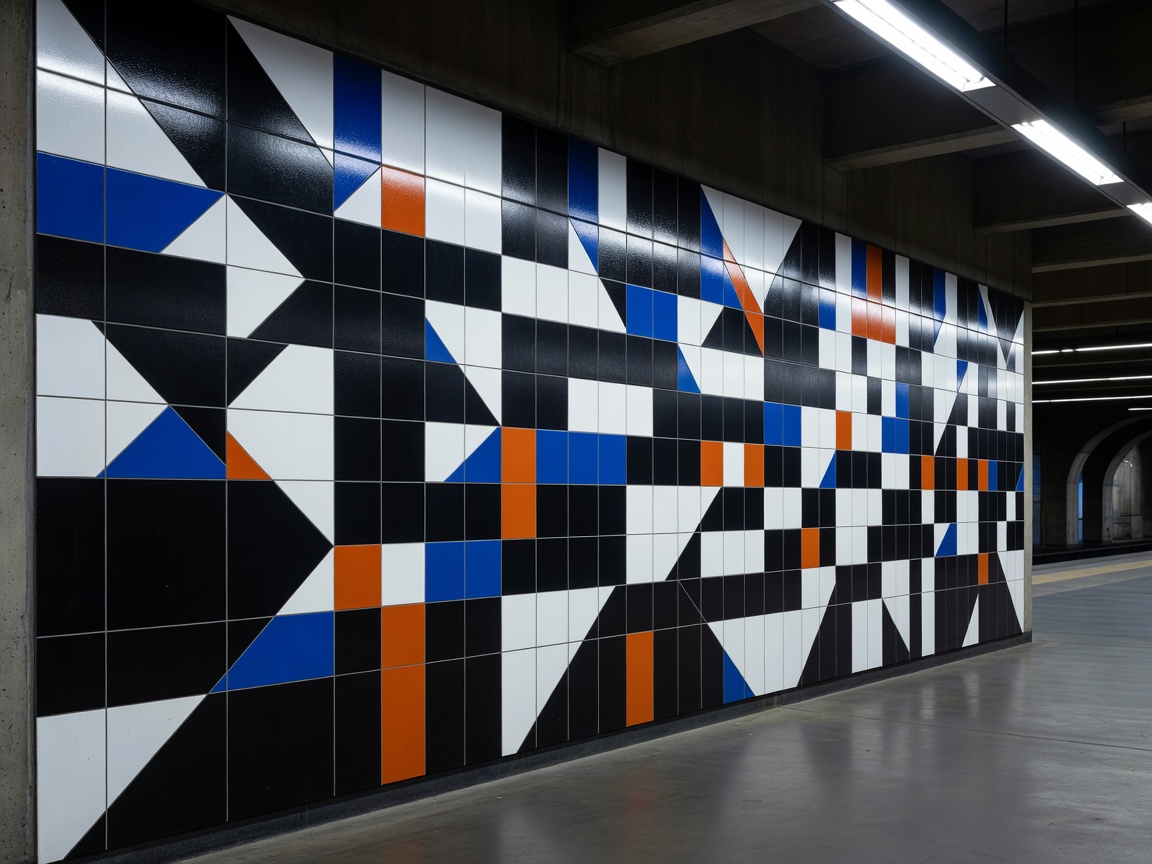
Maria Keil’s pioneering mid-century commissions for the Lisbon Metropolitano and subsequent contemporary works by international artists that revived ceramics as public monumentality.
Beyond aesthetic beauty, the Portuguese tile facade is an environmental modulation system engineered to regulate moisture, thermal shifts, and urban acoustic pressure.
In Atlantic and Mediterranean maritime microclimates, glazed ceramic exteriors shield lime-mortar masonry from heavy driving rain while reflecting intense solar radiation during summer peaks. Correct restoration demands understanding how vapor escapes through unglazed lime joints to prevent moisture entrapment.
The iconic blue coloration of Portuguese azulejos derives from imported cobalt ore dissolved in an opaque tin-glaze (maiolica method). Fired between 900°C and 1020°C, the silica vitrifies into a weather-resistant glass layer capable of resisting centuries of coastal salt spray.
The illicit extraction of 18th-century tiles from abandoned buildings spurred strict municipal heritage bylaws and the creation of the SOS Azulejo initiative. Modern architectural conservation prioritizes in-situ stabilization, micro-grouting, and reversible lime-based adhesives.